Listen to the full briefing. This edition does not have a separate audio clip for this story.
Healthcare costs; Medicare; federal executive branch Nationwide
Some Original Medicare members are set to receive a one-time $90 payment this month
What happened
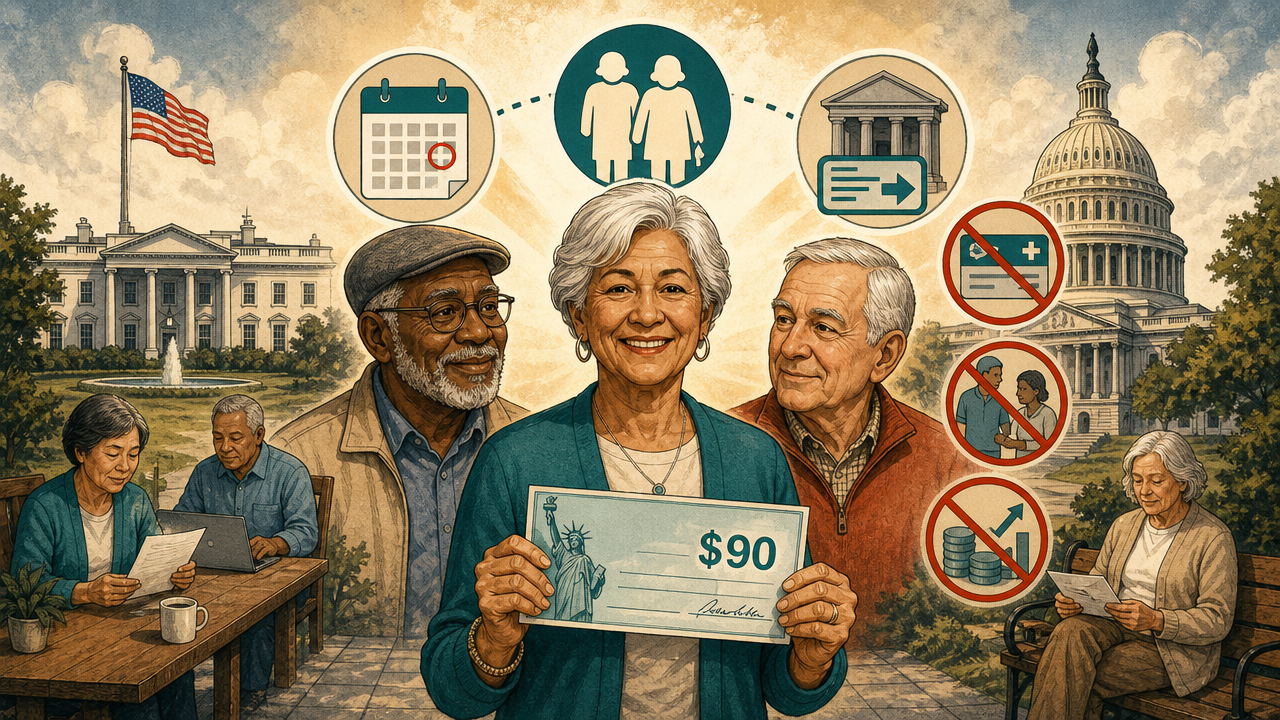
CMS says eligible people in Original Medicare Part B will receive a one-time $90 payment in October to help with premiums. Most payments are expected by direct deposit around October 8; people without direct deposit may receive a Treasury check later in the month.
What it means for voters
For an eligible household, this is $90 in short-term help, not a permanent cut in the monthly Medicare premium. The executive branch is using money in the Medicare Improvement Fund for the payment. People should be careful about scams: CMS says beneficiaries can check eligibility through 1-800-MEDICARE, and payment-status questions can go to Social Security beginning October 15. This does not change Medicare Advantage premiums or benefits.
Find my representatives · Look up elected officials for your address.
Save stories & follow topics · Open this story
Get the context & analysis
CMS says eligible people in Original Medicare Part B will receive a one-time $90 payment in October to help with premiums. Most payments are expected by direct deposit around October 8; people without direct deposit may receive a Treasury check later in the month. CMS says Medicare Advantage members, people whose Part B premiums are paid through Medicaid assistance, and people paying Medicare’s higher-income surcharge are not eligible.
What to watch
Whether payments arrive on the announced schedule, how CMS handles eligibility questions, and whether Congress or the administration proposes a longer-lasting change to Medicare premium costs.
Context from earlier events
Congress created the Medicare Improvement Fund in 2008. CMS says past Congresses generally used money from the fund to help pay for other laws rather than making direct beneficiary payments.