Evidence-first political news
Daily Civic Briefings
Free, nonpartisan civic news on pay, housing, everyday costs and government decisions, with links to the records and reporting behind each story.
-

U.S. Civic News Scan — October 10, 2026
Today’s scan puts healthcare access, mortgage rates, electricity costs, and voting rules up front. The biggest concrete moves were new federal rural-health funding in Iowa and Louisiana, a White House inquiry involving a Federal Reserve governor, and election-administration steps in Washington, D.C. A popular-video lead about Michigan’s Senate race checked out as a real debate, but its practical value is mostly about the policy choices voters will weigh rather than a new law taking effect.
-

U.S. Civic & Pocketbook Scan — October 9, 2026
Today’s biggest practical federal developments touch housing supply, Medicare plan choices, jobs, electricity bills, and voting by mail. A few are actions already underway, while the Senate energy package is still only a proposal and USPS election steps do not change any state’s ballot deadline. For households, the useful bottom line is to separate what changed now from what still needs a vote, agency follow-through, or time to reach everyday bills.
-

U.S. Civic News Scan: October 8, 2026
Today’s biggest practical stories are about health costs, jobs, school budgets, taxpayer spending, and voting rules. Some actions are already happening, like Medicare’s $90 deposits, while others are still proposals or court fights that could change what families pay, how local services work, or how people vote.
-
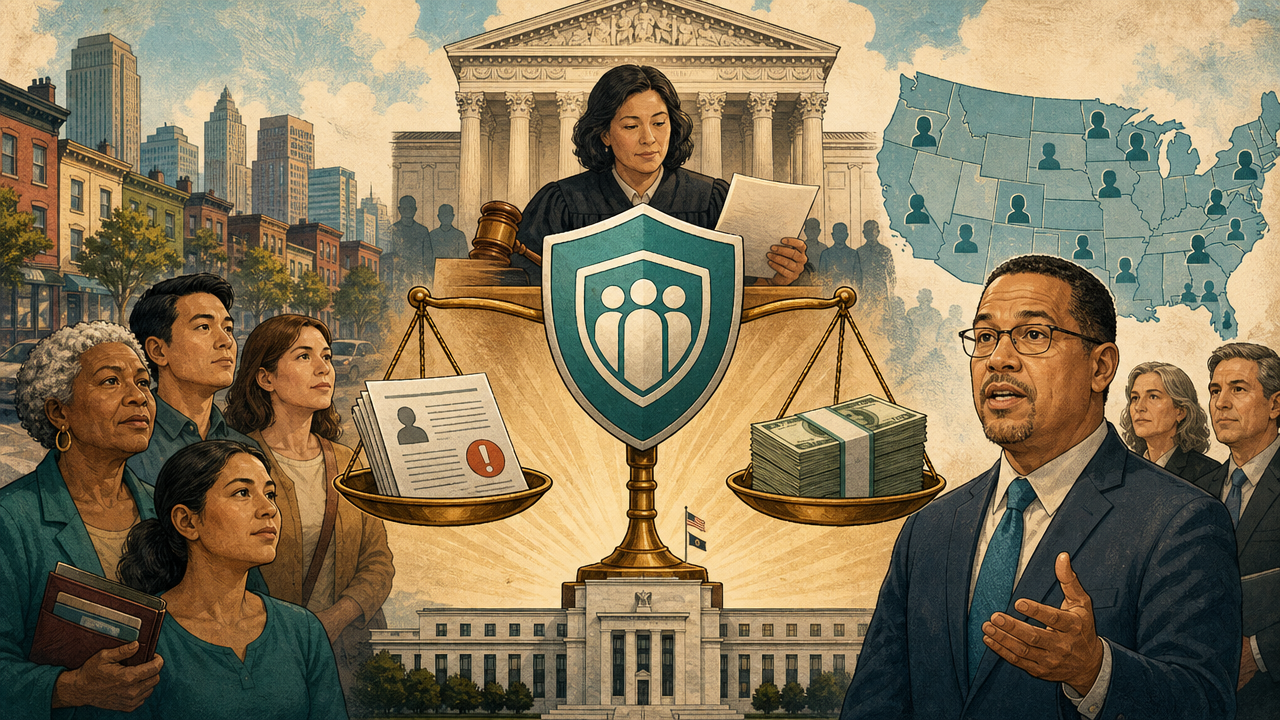
U.S. civic and pocketbook scan — October 7, 2026
Today’s scan puts consumer protections, utility bills, healthcare billing, and voting administration ahead of campaign noise. The biggest concrete actions are a court order requiring the consumer-protection bureau to seek operating money, a Senate bill on data-center power costs that stalled, and ongoing federal and state fights over energy and election rules. Some developments change rules now; others are lawsuits or arguments that still need a court or agency decision.
-

U.S. Civic News Scan: Costs, Coverage, Energy, Retirement, and State Power
Today’s biggest verified federal actions are mostly about costs people feel indirectly: diesel taxes, health-plan price information, power-grid investment, and retirement-plan oversight. A key point across these stories: several announcements are not instant household savings. Some set up future rules, loans, or court decisions that could affect bills later.
-

U.S. Civic & Pocketbook Scan — October 5, 2026
Today’s scan is led by housing help, tax-credit rules, health-care access, schools, consumer prices, and the rules that shape representation in Congress. The big pattern is that several federal actions are still in the “proposal, lawsuit, or rollout” stage, so households may not see an immediate change but should know what is being decided and who controls it.
-
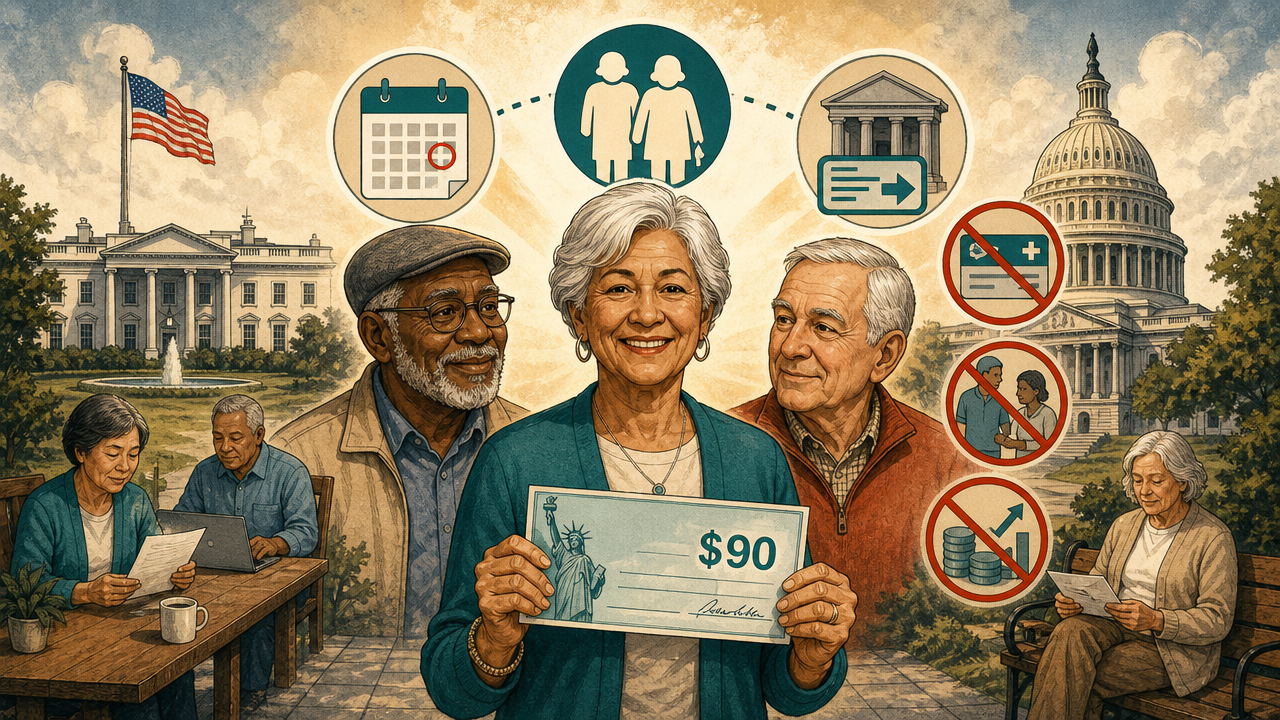
U.S. Civic & Pocketbook Scan — October 4, 2026
Today’s biggest verified household-cost action is a one-time $90 Medicare payment for some people in Original Medicare, with deposits expected this week. State-level fights in California also show how health-care funding, insurance premiums, disaster recovery, and taxes can land on family budgets. A federal voting-rights ruling in Florida is another reminder that courts can reshape election rules, but this case is not the final word.
-

U.S. Civic News Scan — October 3, 2026
Today’s scan has two immediate voting developments, plus new federal actions on school-tax credits, access to government services, and refugee admissions. The most direct household items are the school-credit rules and the Postal Service’s election-mail plan; the rest mostly set up systems or legal fights whose effects will depend on later implementation, appeals, and state choices.
-
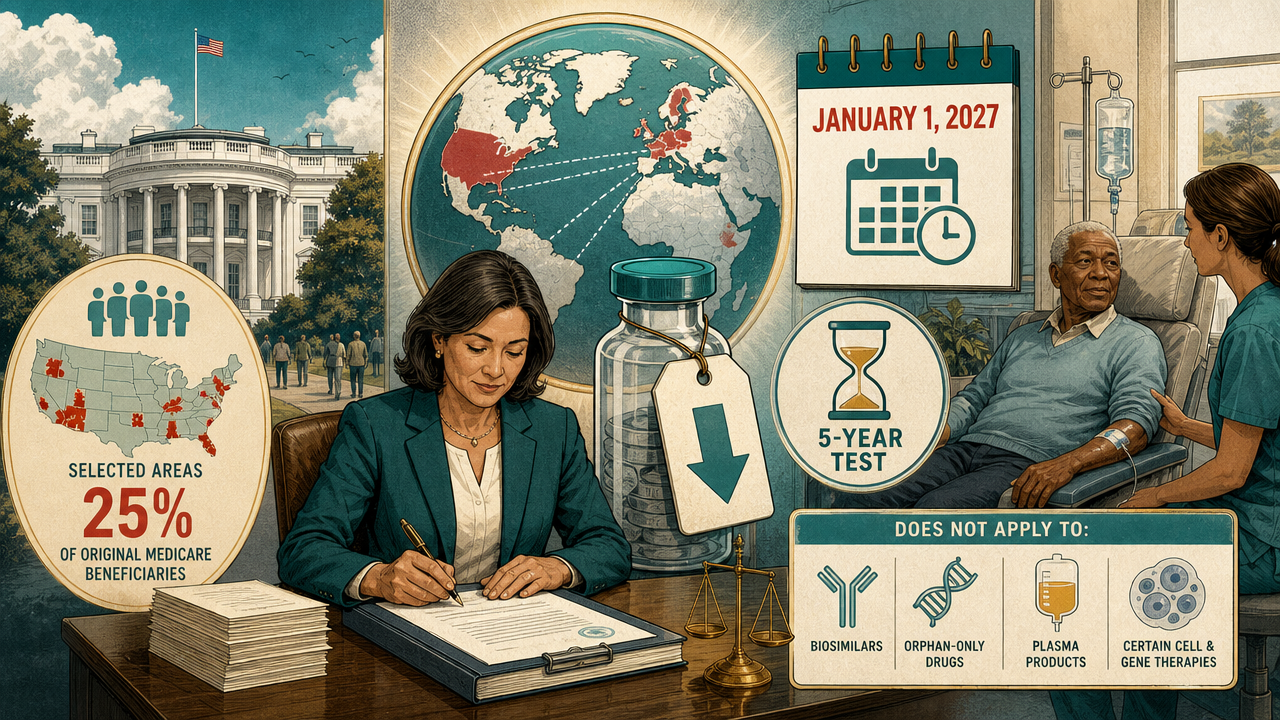
U.S. Civic & Pocketbook Scan — October 2, 2026
Today’s biggest practical developments are in health coverage, prescription-drug costs, school expenses, and voting access. A few are final government actions, while others are proposed rules or court cases that could still change. The key question for households is whether a change takes effect now, starts in 2027, or depends on state choices and court rulings.
-

U.S. Civic & Pocketbook Scan — October 1, 2026
Housing aid, prescription-drug costs, food benefits, and election administration are all moving through different parts of government this week. The biggest immediate household questions are whether local homeless-service providers can keep programs running, whether Medicaid drug savings reach patients, and how courts are limiting federal agencies that try to attach new conditions to grants.