The daily civic brief
U.S. Civic News Scan — October 3, 2026
Today’s scan has two immediate voting developments, plus new federal actions on school-tax credits, access to government services, and refugee admissions. The most direct household items are the school-credit rules and the Postal Service’s election-mail plan; the rest mostly set up systems or legal fights whose effects will depend on later implementation, appeals, and state choices.
Today's audio briefing
Today's spoken briefing
Hear the latest national briefing and what to watch next for every headline. A restrained instrumental bed plays in the web player.
Taxes; schools; household budgets; federal and state government Nationwide, but only in states that choose to participate
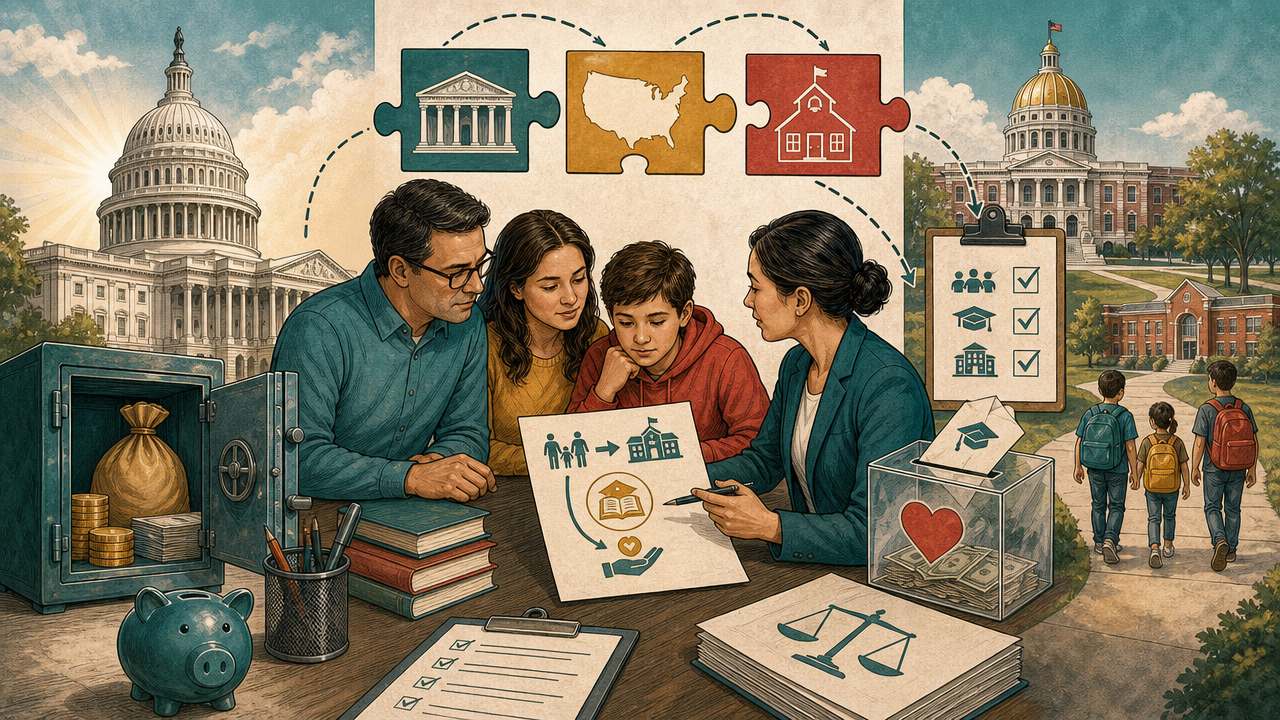
Treasury publishes operating rules for the new federal K–12 scholarship tax credit
What happened
The Treasury Department and IRS published temporary rules on October 2 for a federal tax credit tied to donations to approved K–12 scholarship organizations. The credit applies to qualifying contributions made for tax years ending after December 31, 2026. States must opt in and maintain lists of eligible scholarship organizations; families do not receive this tax credit directly just by enrolling a child in a school.
What it means for voters
This creates the working rules for a program that could start affecting 2027 tax returns and K–12 scholarship funding. For taxpayers, the benefit depends on making a qualifying donation and following the program’s rules. For families seeking scholarships, whether there is help in their area will depend on whether their state participates and which groups it approves. Congress created the credit; Treasury and the IRS are writing and enforcing the tax rules; states decide whether to join.
What to watch
Watch for states to announce whether they will participate, for the IRS to finish its permanent rules after public comments, and for approved scholarship groups to explain who can apply for aid.
Context from earlier events
On October 1, Treasury released proposed rules for the same program. The October 2 publication adds temporary operating requirements for states and scholarship organizations.
Primary and independent sources
How this briefing was made
We used official records to verify government actions and independent reporting to add context. Topic selection came from current public records and news research. Every included claim still had to be checked against the linked sources.