The daily civic brief
U.S. Civic & Pocketbook Scan — September 29, 2026
Today’s biggest household-policy moves are about prescription drugs, health coverage, car costs, school funding, and the rules around elections. Some changes take effect now, while others are court rulings or agency actions that may still face appeals and won’t necessarily show up in a family budget right away.
Today's audio briefing
Today's spoken briefing
Hear the latest national briefing and what to watch next for every headline. A restrained instrumental bed plays in the web player.
Healthcare costs; prescriptions; trade policy; executive power Nationwide
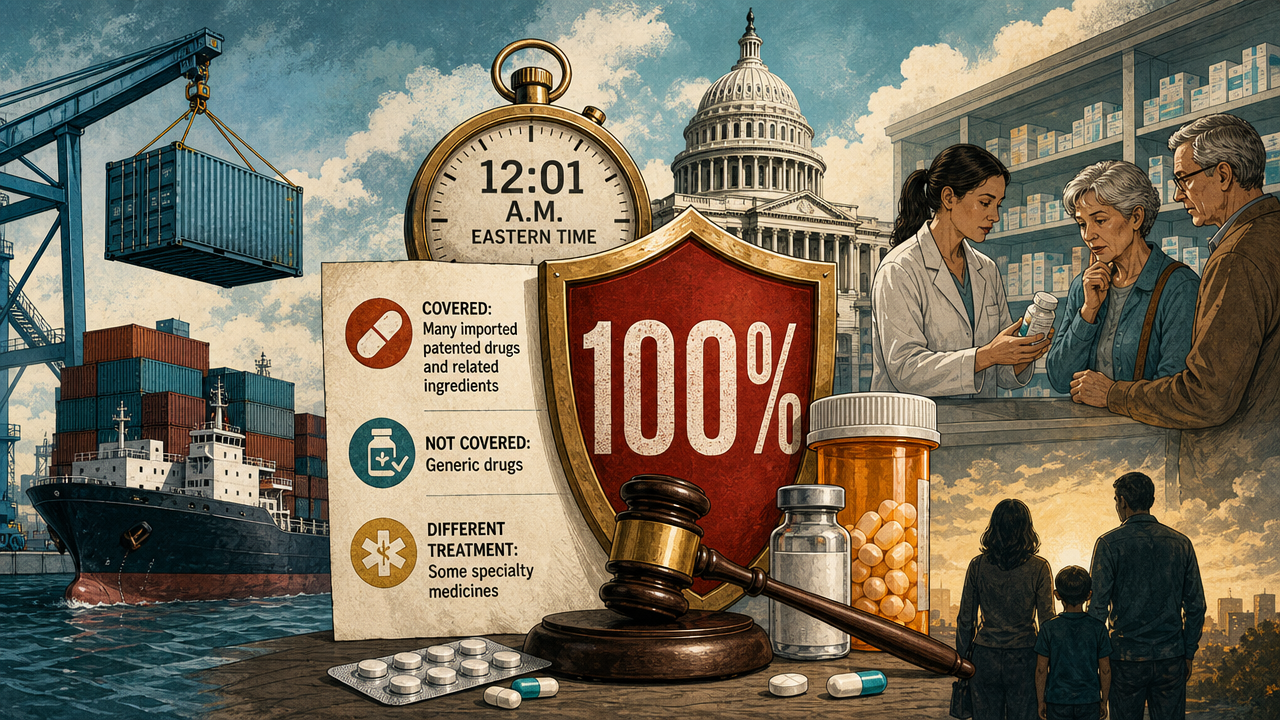
A broader 100% tariff on certain patented drug imports takes effect today
What happened
A new federal tariff schedule took effect at 12:01 a.m. Eastern time on September 29 for many imported patented drugs and related ingredients. The Commerce Department says the policy can impose a 100% tariff on covered products from companies not already in a lower-rate or exemption category. Generic drugs are not covered by this tariff, and some specialty medicines may qualify for different treatment.
What it means for voters
This is a federal trade action, not a direct change to anyone’s copay today. But tariffs can raise costs for importers, and companies, insurers, pharmacy-benefit managers, or patients may absorb those costs in different ways. The federal government says the policy is meant to push more drug production into the U.S.; the real effect on medicine prices, supply, and availability will depend on which drugs are covered, where they are made, and whether manufacturers receive exemptions or make pricing and domestic-production agreements.
What to watch
Watch for drugmakers’ price announcements, insurer coverage changes, shortages, and Commerce decisions on urgent-health-need requests and specialty-drug exemptions.
Context from earlier events
The White House created the staged pharmaceutical-tariff system in April 2026. Some larger companies faced an earlier July 31 deadline; September 29 expands the policy to other covered importers.
Primary and independent sources
How this briefing was made
We used official records to verify government actions and independent reporting to add context. We also checked popular political videos on YouTube for topic leads. Popularity helped us decide what to investigate, but it was not treated as proof or public opinion. Every included claim still had to be checked against the linked sources.