Evidence-first political news
Daily Civic Briefings
A free, nonpartisan digest of consequential U.S. political news, with links to the records and reporting behind each story.
-
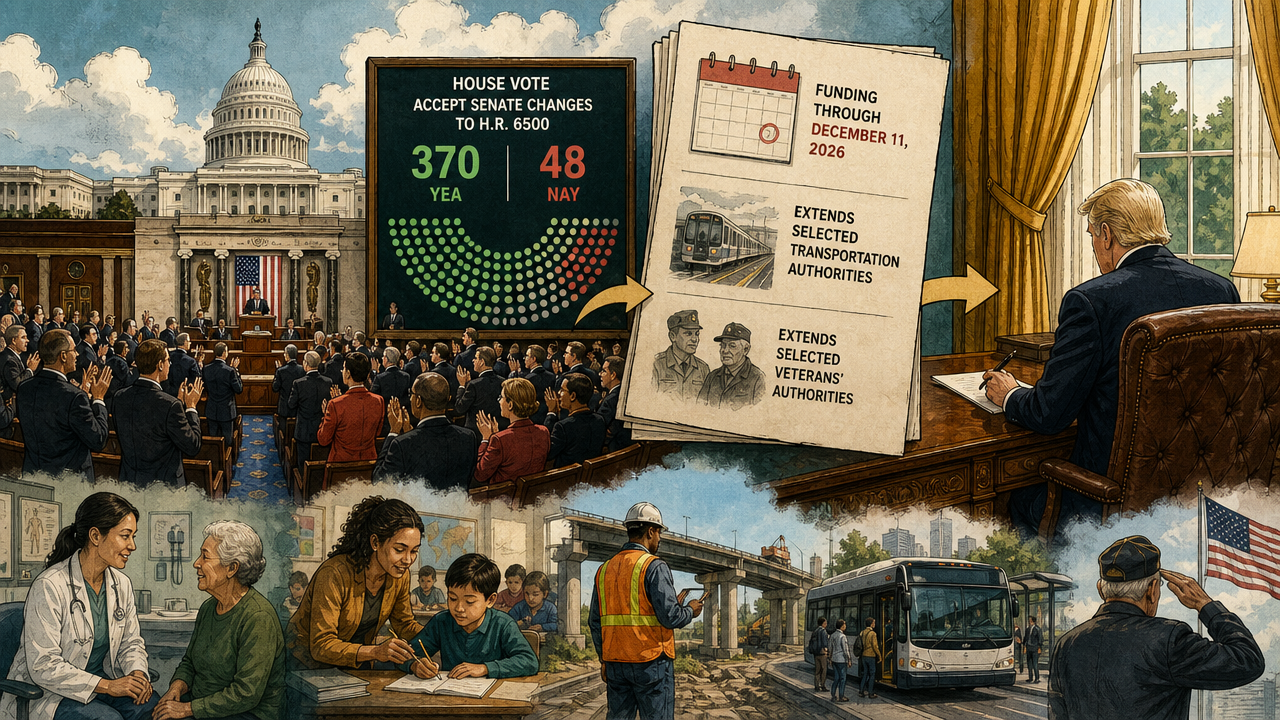
U.S. Civic News Scan — September 2, 2026
The biggest household story is that Congress has sent a short-term funding bill to the president, which would avert a shutdown through December 11 if signed. Other developments touch housing access, federal-worker job protections, trucking enforcement, utility-cost policy, insurance claims, and election oversight. Several of these are rules or court decisions, not new laws, so their real effects will depend on implementation, appeals, or a governor’s signature.
-
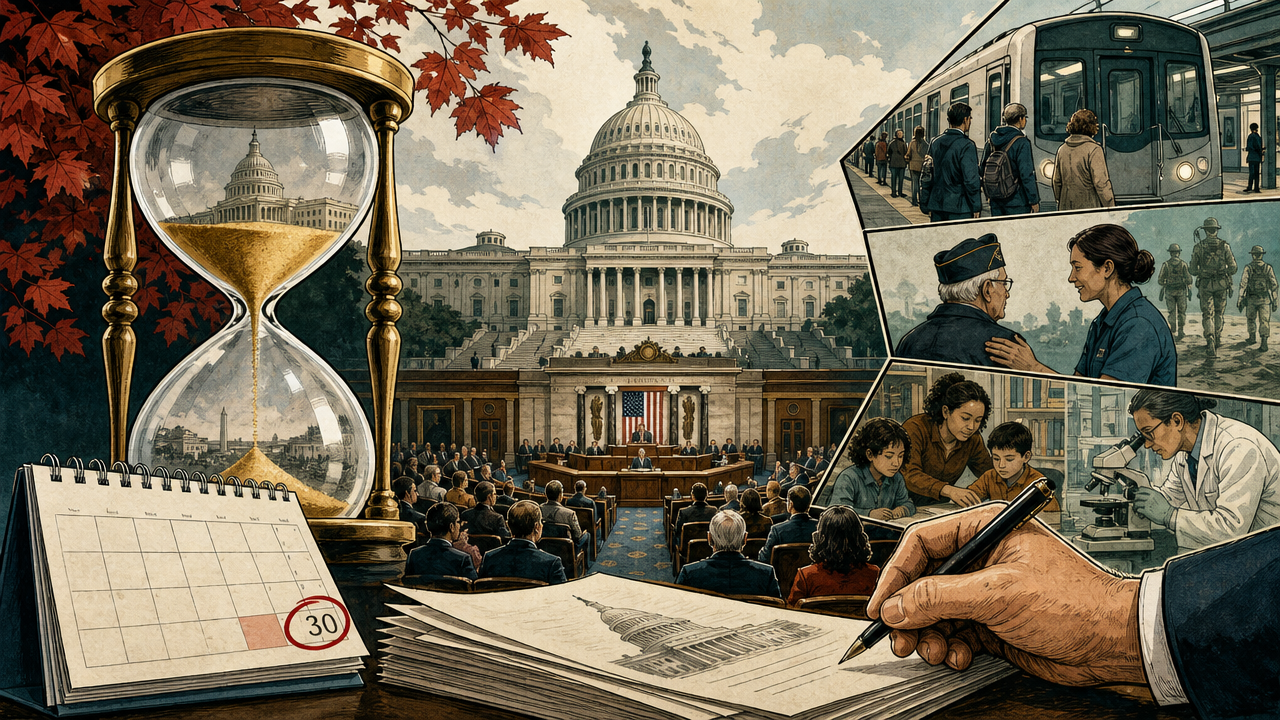
U.S. Civic News Scan: September 1, 2026
Today’s biggest practical federal decision is a House vote expected on a short-term funding bill that could keep agencies and many public programs running past September 30. Also worth watching: mail-ballot operations remain tied up in court, a new nursing-home inspection system begins this month, and a Rhode Island utility ruling shows how state regulators can change household bills directly. The common thread is who makes the rules: Congress controls federal spending, courts review executive actions, agencies run programs, and state utility commissions set many local energy charges.
-
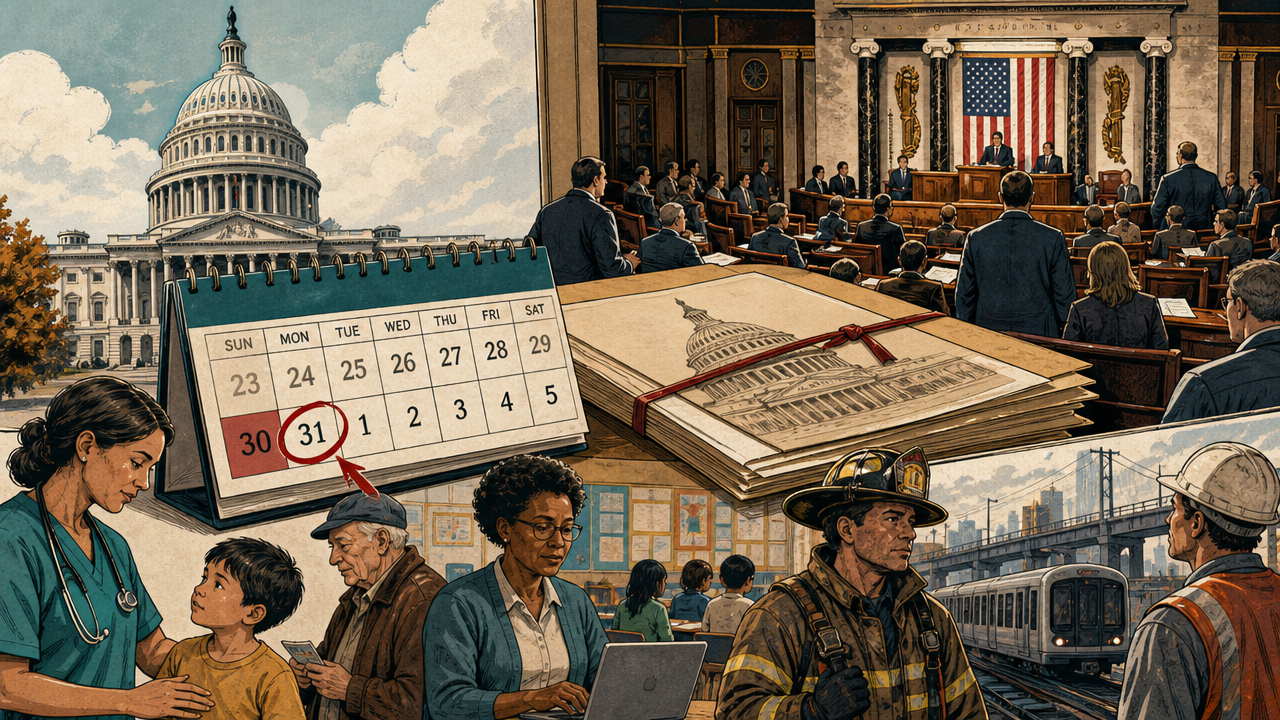
U.S. Civic Daily Scan: Bills, Housing, Utilities, Care, and Voting
Congress is back with a vote expected on temporary funding that would keep federal programs running past the September 30 deadline. The biggest household-facing developments elsewhere are in public housing, nursing-home oversight, utility bills, and election rules. Several items are still proposals or court fights, so they do not change people’s rights or bills today.
-
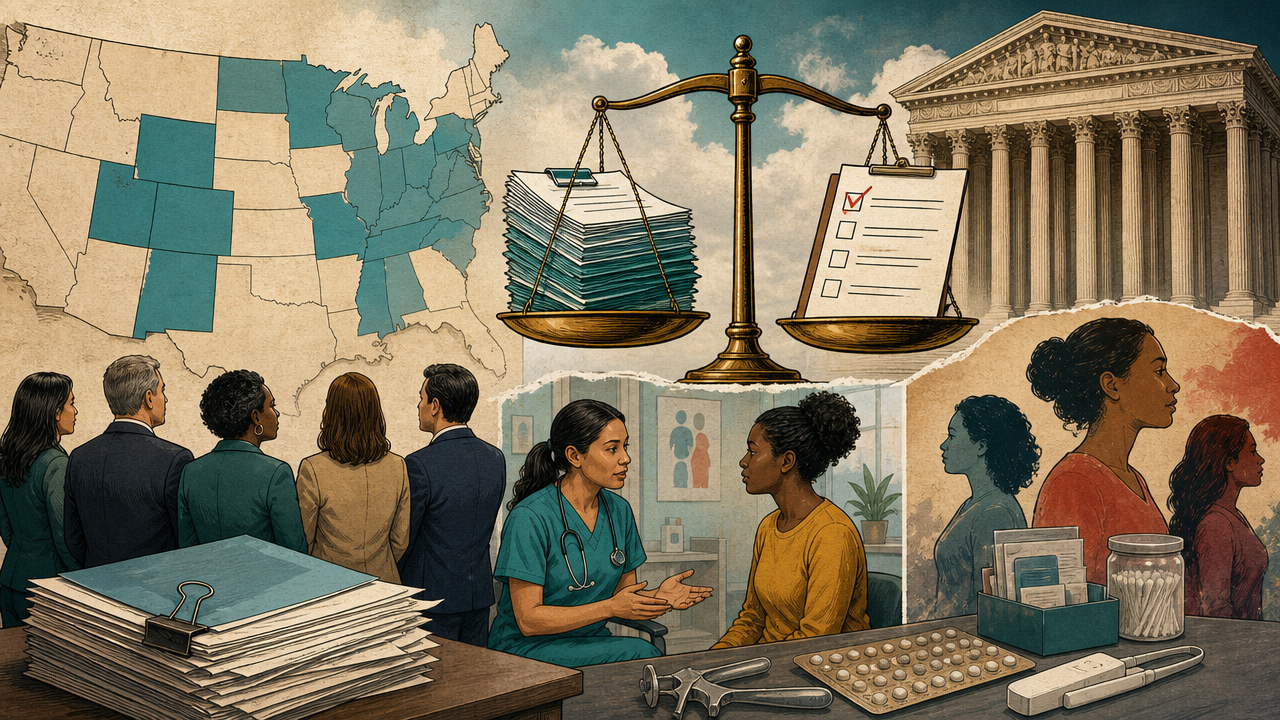
U.S. Civic News Scan — Sunday, August 30, 2026
Today’s scan puts healthcare, school funding, and the rules around speech and voting-era public institutions ahead of campaign noise. The biggest immediate household issue is a new multistate court fight over federal family-planning grants; other developments show how federal agencies and courts can shape schools, college communities, tribal land, and access to insurance.
-
U.S. Civic News Scan — Saturday, August 29, 2026
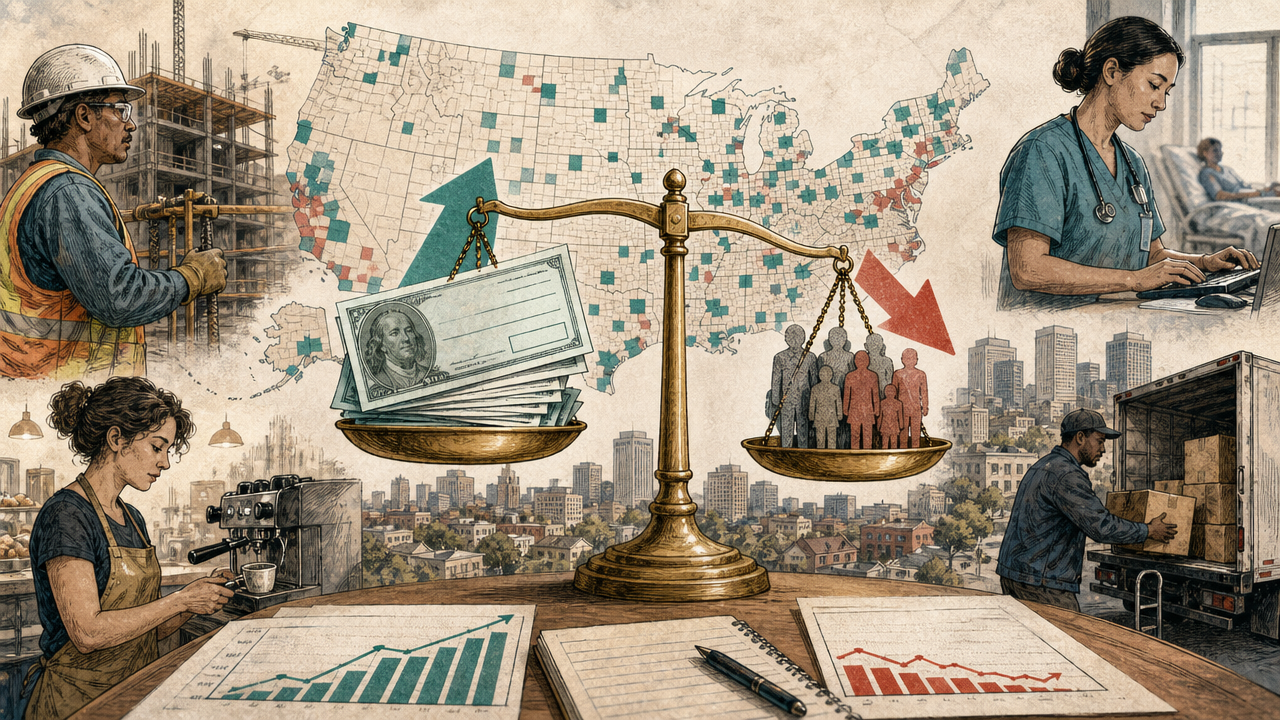
Today’s scan puts the biggest near-term household stakes first: paychecks, borrowing costs, Medicare dollars, rural care, and the rules for voting by mail. The main theme is that several federal decisions are still in motion rather than settled: a court fight is holding up mail-ballot changes, while the Federal Reserve is signaling it may raise rates if inflation stays high.
-
U.S. Civic News Scan — Friday, August 28, 2026
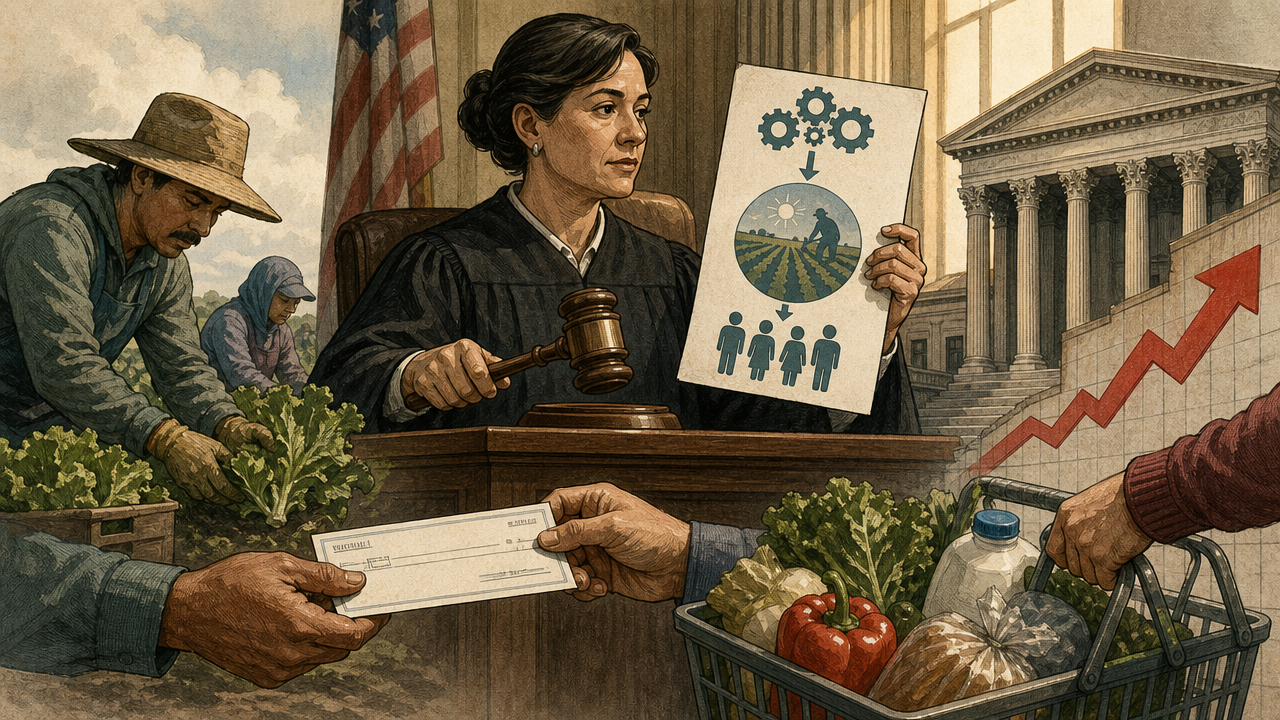
Today’s biggest household-policy developments are about paychecks, housing protections, electric bills, and voting rules. Two federal court decisions limited recent administration actions involving farmworker pay and fair-housing grants, while a separate court again paused the White House mail-voting order. State actions in New Jersey and a South Carolina Senate runoff also show how state voters and lawmakers can shape issues with wider national stakes.
-

U.S. Civic & Pocketbook Scan — August 27, 2026
Today’s biggest verified household-policy moves touch rural healthcare, college costs, worker safety, and government enforcement. A few are immediate actions, such as new lawsuits and announced federal funding; others are steps in a longer process, so they do not change anyone’s bill or rights today. The Senate was scheduled to return today, but its official activity page had not yet posted new legislative action when this scan was prepared.
-
U.S. Civic & Pocketbook Scan — August 26, 2026
Today’s biggest household-cost actions involve ground beef, cross-border tariffs, and the electricity system. There are also new federal moves affecting school meals, rural prescription care, homelessness funding, and House representation in Georgia. Several steps are announcements or executive actions, so the practical effect will depend on agency follow-through, supply chains, and court decisions.
-
U.S. Civic and Pocketbook Scan — August 25, 2026
Today’s biggest verified developments mix voting rules, household costs, immigration status, and representation. The immediate changes are limited: the Supreme Court removed one legal block on a federal mail-ballot policy, Canada is preparing a tariff response, and the administration is preparing—not yet carrying out—a large visa action. Drug-price data also show why a lower national price index does not automatically mean a lower pharmacy bill for every family.
-
U.S. Civic & Pocketbook Scan — August 24, 2026
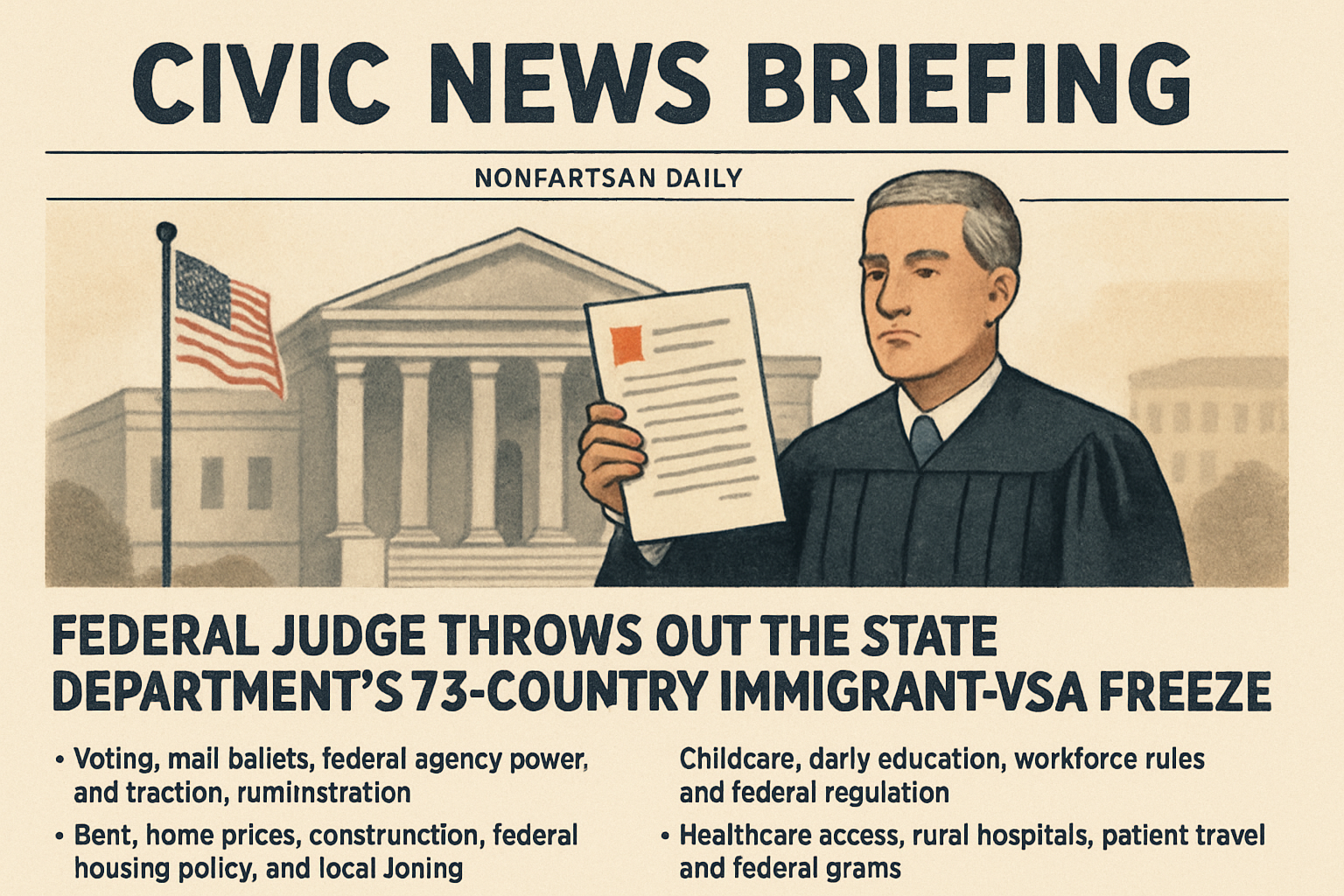
This scan puts the biggest practical developments first: a court ruling affecting legal immigration and family reunification, a finalized but blocked Postal Service mail-ballot rule, and federal policy moves tied to housing, childcare, and rural health care. A common thread is that many decisions are now made, but their real-world effect still depends on agency rollout, court action, or state and local implementation.